A practical look at racing in the UK and why it still holds its place
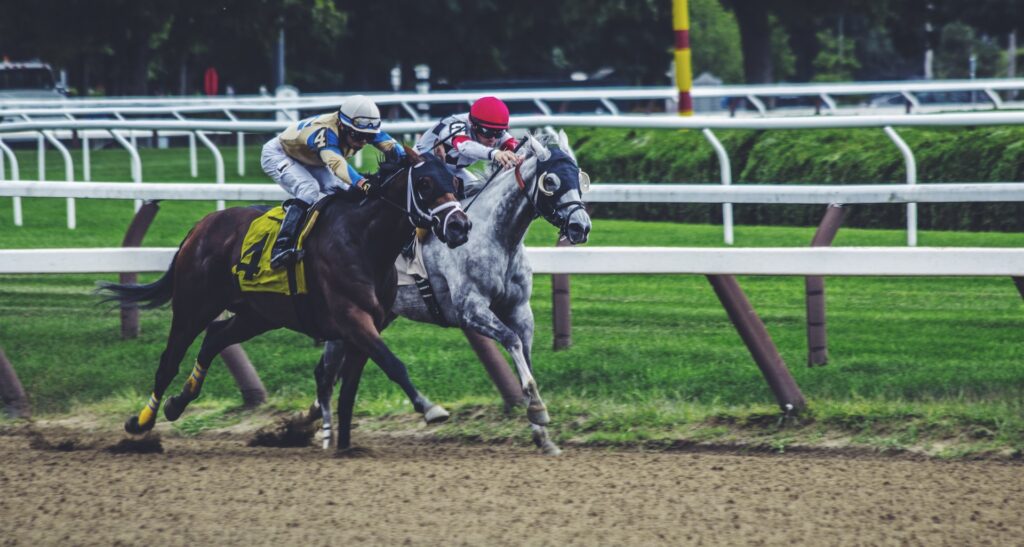 Racing in the UK has a long history, but its appeal has never depended on tradition alone. People still follow it because it offers form, pace, judgement, atmosphere and uncertainty in a way few sports can match. From major festivals to smaller weekday meetings, British racing remains part of everyday sporting life for fans, owners, trainers, riders and racegoers.
It is also a sport that sits naturally alongside wider betting discussion. Racecards, odds, going reports and market moves are all part of how many followers read the sport, whether they bet often, only during big festivals, or simply compare prices through a new sports betting site before major meetings.
What makes UK racing interesting is the range. Flat racing and National Hunt racing ask different questions of horses and jockeys. A sharp five furlong sprint at York is not the same as a staying chase at Cheltenham. A summer handicap at Goodwood has a different rhythm to a testing winter hurdle at Haydock. That variety keeps the sport fresh across the year.
What are the main types of racing in the UK?
British racing is usually split into two main codes.
Flat racing is run without obstacles. It is often associated with speed, breeding, tactics and fast ground during the warmer months. Races can range from short sprints to long distance contests, with the Classics and major Group races sitting at the top of the calendar.
National Hunt racing involves hurdles or fences. It is closely linked with stamina, jumping ability and winter conditions. The biggest names in this code often build loyal followings because horses can return season after season, giving fans time to know their style and character.
Both codes have their own language. Flat followers may focus on draw bias, pace maps, official ratings and pedigree. Jump racing fans may look closely at jumping technique, ground conditions, course form and whether a horse stays the trip.
Why the UK racing calendar matters
The UK racing calendar gives the sport structure. Certain meetings act as landmarks through the year and attract attention far beyond regular racing fans.
Cheltenham in March is the centrepiece of the jump racing season. Aintree follows with the Grand National, one of the few races that still reaches a mainstream audience. On the Flat, the Guineas, Derby, Royal Ascot, Glorious Goodwood, York’s Ebor meeting and Champions Day all have their own place in the season.
These events matter because they give the sport a wider stage. They bring casual followers in, create stories around horses and trainers, and help shape how each season is remembered.
Away from the headline fixtures, everyday racing does important work too. Smaller meetings keep yards active, give young jockeys experience and provide opportunities for horses at different levels. The sport would not function if attention only went to the biggest festivals.
How racegoers read a race
Following racing is not only about picking a winner. Many fans enjoy the process of reading a race and testing their judgement.
The going is often the first point to check. Some horses perform best on quick ground, while others need softer conditions. The distance matters too. A horse that travels strongly over two miles may not stay three miles, while a sprinter with early pace may struggle if drawn away from the main speed.
Course form can also be important. Some tracks are flat and fair. Others are sharp, undulating or demanding. A horse that handles Epsom, Chester, Brighton or Cheltenham may have qualities that do not always show at more conventional courses.
Then there is form. A recent finishing position only tells part of the story. A horse may have been badly drawn, met trouble in running, carried a difficult weight, raced on unsuitable ground, or shaped better than the result suggests.
That is why racing rewards patience. The more someone watches, the more they notice the details.
The role of jockeys, trainers and yards
The horse is always central, but racing is built around teams. Trainers plan campaigns, choose suitable races and manage fitness. Jockeys make decisions at speed, often with little room for error. Stable staff do much of the daily work that allows horses to compete safely and consistently.
A good ride can win a race. A poor tactical choice can lose one. On the Flat, positioning, pace and timing are vital. Over jumps, rhythm and confidence at obstacles matter just as much.
Trainers also develop reputations for certain race types. Some excel with young Flat horses. Others are known for staying chasers, handicap hurdlers or sprinters. For regular followers, these patterns become part of the form study.
Why racing remains a local sport as well as a national one
Racing has national festivals and television coverage, but it also has strong local roots. Racecourses bring people into towns and cities. Meetings support hospitality, transport, hotels, pubs and local jobs. In many areas, a racecourse is part of local identity.
Owners, trainers, breeders, farriers, vets, transport firms and stable staff all sit within a wider racing economy. The sport is not just what happens for a few minutes on the track. It is the result of work carried out every day, often early in the morning and away from public view.
For racegoers, the local course can be just as enjoyable as the major festival. Smaller meetings often make the sport feel more accessible. People can get close to the parade ring, see horses up close and learn how the day works without the scale or pressure of a major event.
Responsible interest in racing and betting
Betting has long been part of racing, but it should sit within a measured view of the sport. The best way to follow racing is to understand the horses, the conditions and the risks involved. No race is certain, and even strong form can be undone by pace, ground, jumping or luck in running.
Anyone who chooses to bet should keep it affordable, set limits and avoid chasing losses. Racing can be enjoyed without betting at all, and many fans follow it for the horses, the stories, the breeding, the tactics and the atmosphere.
Why UK racing still stands apart
UK racing lasts because it offers depth. It has history without being stuck in the past. It has major events without losing the value of smaller tracks. It gives fans quick excitement, but also rewards long term attention.
For newcomers, the sport can look complicated at first. Race types, ratings, weights, classes and betting terms can take time to understand. Once those basics become familiar, racing becomes much easier to follow.
That is the strength of the sport. Every race has a result, but every result also has a reason. For many fans, trying to understand that reason is what keeps them coming back.
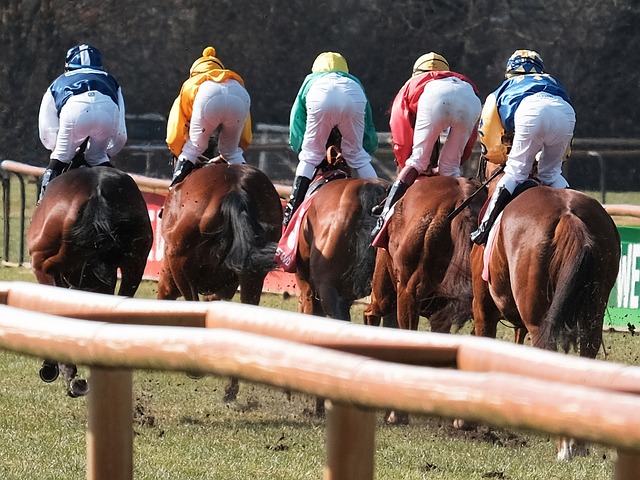 Along with the Derby Festival at Epsom Downs, the Cheltenham Festival, Grand National Festival and Royal Ascot are the major horse racing festivals staged in Britain. As such, to anyone with even a passing interest in the ‘Sport of Kings’, none of them requires much in the way of introduction and those interested in a flutter are looking to